
Electrical, plumbing and heating
Electrical, plumbing and heating
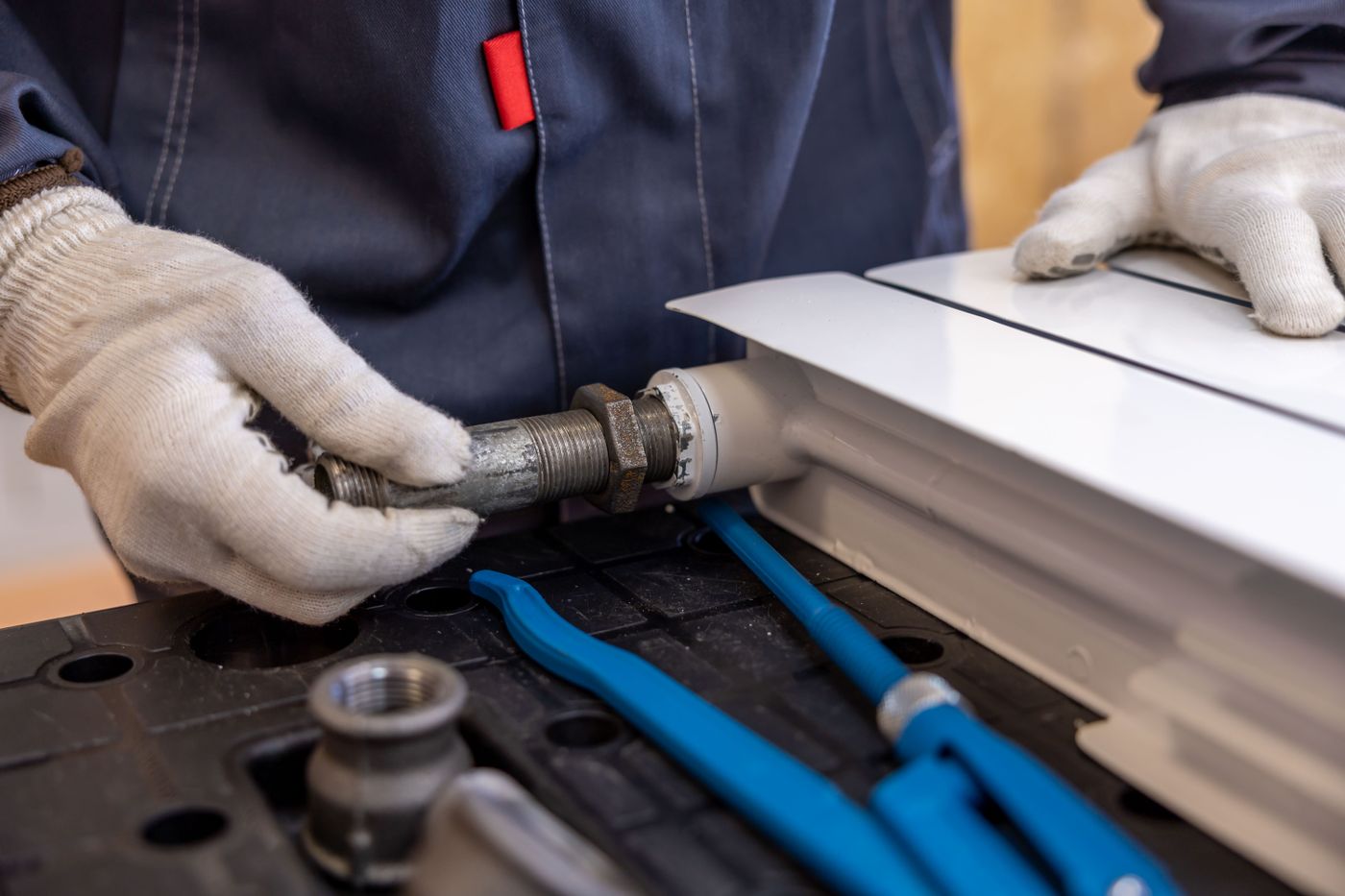
A successful renovation starts with choices suited to your home, budget and needs. Here are the most important questions to discuss with your contractor before agreeing on a quote.
Plan to close the walls
Arrange furniture and appliances and determine the places of sockets, lighting, faucets, pipe terminals and radiators. After tile and painting, alterations are much more expensive.
Electrical safety
Work with the power grid trust qualified specialists. For wet rooms, special requirements apply to installation areas and protection; the project is checked according to current local standards.
Plumbing and leaks
Check the availability of shut-off valves, revisions, siphons and connections. Before closing the structures must pass the necessary tests of the systems.
Heating and comfort
Evaluate the insulation of the house, system power and temperature regimes. A warm floor requires coordination with the design of the floor and the chosen coating.
Start with life planning.
Schedule furniture and appliances, then it will become clear where you need sockets, lighting, switches, plumbing and heating. After closing the walls, changing the tracks is much more expensive. It is useful to lay access to the Internet, sensors and future equipment without excessive complexity.
Make a plan of points for each room before dismantling.
Electricity and safety
Electrical installation depends on the power of the appliances, the condition of the switchboard, protective devices and local regulations. For wet rooms, there are restrictions on safety zones; these must be considered by a qualified professional. Overloading old lines with powerful new devices is dangerous. Chain marking and access to the shield facilitate maintenance.
Ask for the diagram of electrical groups and the results of checks after installation.
Water and sewerage
When planning a kitchen or shower, take into account not only the location of the mixer, but also the diameter, slope and availability of sewers. Long runs can create hot water retention or drain difficulties. Hidden connections require appropriate materials and proper inspection before closing. Audits and valves must remain available.
Ask for wiring photos and test results before facing.
Leak protection
Often, the damage is not due to a highway rupture, but due to a small inconspicuous connection. Shut-off taps, the right connectors, access to siphons and timely inspection help reduce the effects. In some cases, leak sensors with notification or feed disabling are useful.
Discuss where the main shut-off faucet will be and how to cut off the water quickly.
Heating and thermal comfort
Radiators, warm floors and heat pumps require an assessment of home heat loss and temperature regimes. Not every system works with existing radiators without any changes. When repairing, it makes sense to first eliminate large heat losses through the windows and roof, and then choose the heating capacity.
Ask to explain the calculation of heat load, and not to choose equipment only by area.
Ventilation and air quality
In a sealed house, it is necessary to think about controlled air exchange. The kitchen and bathroom are particularly sensitive to humidity and smells. A noisy hood that no one uses is actually useless. Ventilation ducts and filter maintenance should be available.
Ask how the fresh air will go and where the moist air will go.
Control and documents
At the end, check the operation of sockets, lighting, faucets, drain, heating and protective devices. Keep diagrams of hidden tracks, information about materials and equipment instructions. Do not sign an acceptance until the identified faults are corrected.
Ask for one set of diagrams and photos of hidden communications.
Let’s discuss your project
Share photos and your requirements so we can assess the scope of work.
View this service ↗